
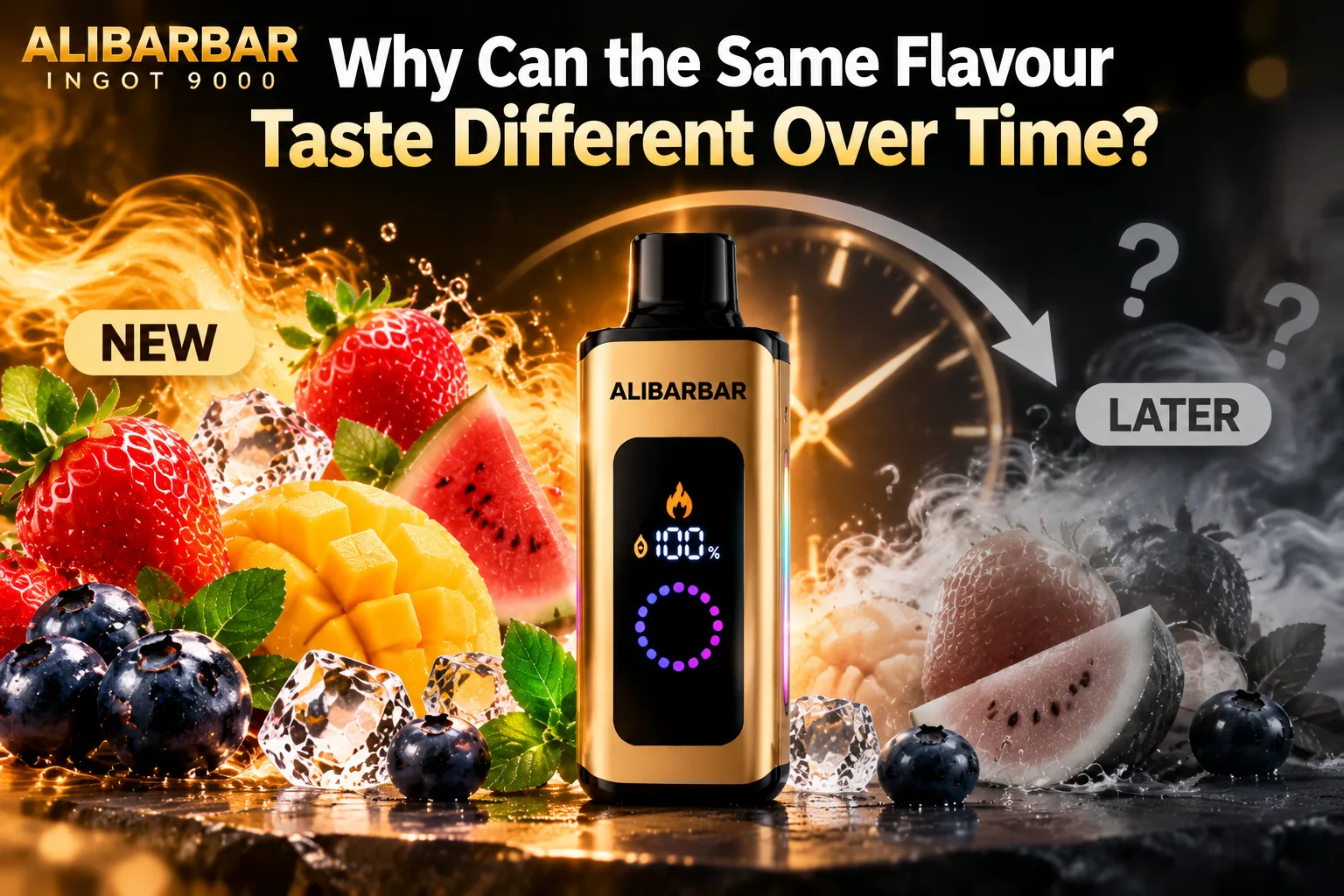
Have you noticed that your ALIBARBAR INGOT 9000 seems to taste different after repeated use? Perhaps the flavour seems weaker, the aroma has changed, or the device develops an unusual taste that was not noticeable at first.
A change in perceived flavour does not automatically mean that the device is faulty. However, it should not always be dismissed as normal either.
Several factors may influence flavour perception, including sensory adaptation, heating conditions, liquid delivery, storage environment and changes in the device's condition.
This guide explains the possible reasons behind an ALIBARBAR flavour change, how to distinguish a change in perception from a potential device problem, and when to stop using a device.
1. Sensory Adaptation Can Make a Flavour Seem Weaker
One possible explanation is sensory adaptation.
When you are repeatedly exposed to the same aroma, your olfactory system may become temporarily less sensitive to it. As a result, a familiar smell can seem less noticeable even when the substance itself has not changed.
This process is sometimes called olfactory adaptation.
For example, a flavour that initially has a noticeable fruity aroma may seem less distinctive after repeated exposure. This does not necessarily mean that the flavouring ingredients have disappeared or that the liquid concentration has decreased.
It is important to distinguish between a change in perception and a verified change in the product itself.
Key point: A weaker perceived flavour alone cannot establish that an ALIBARBAR device has run out of liquid or developed a fault.
2. Changes in Heating Conditions May Affect Flavour
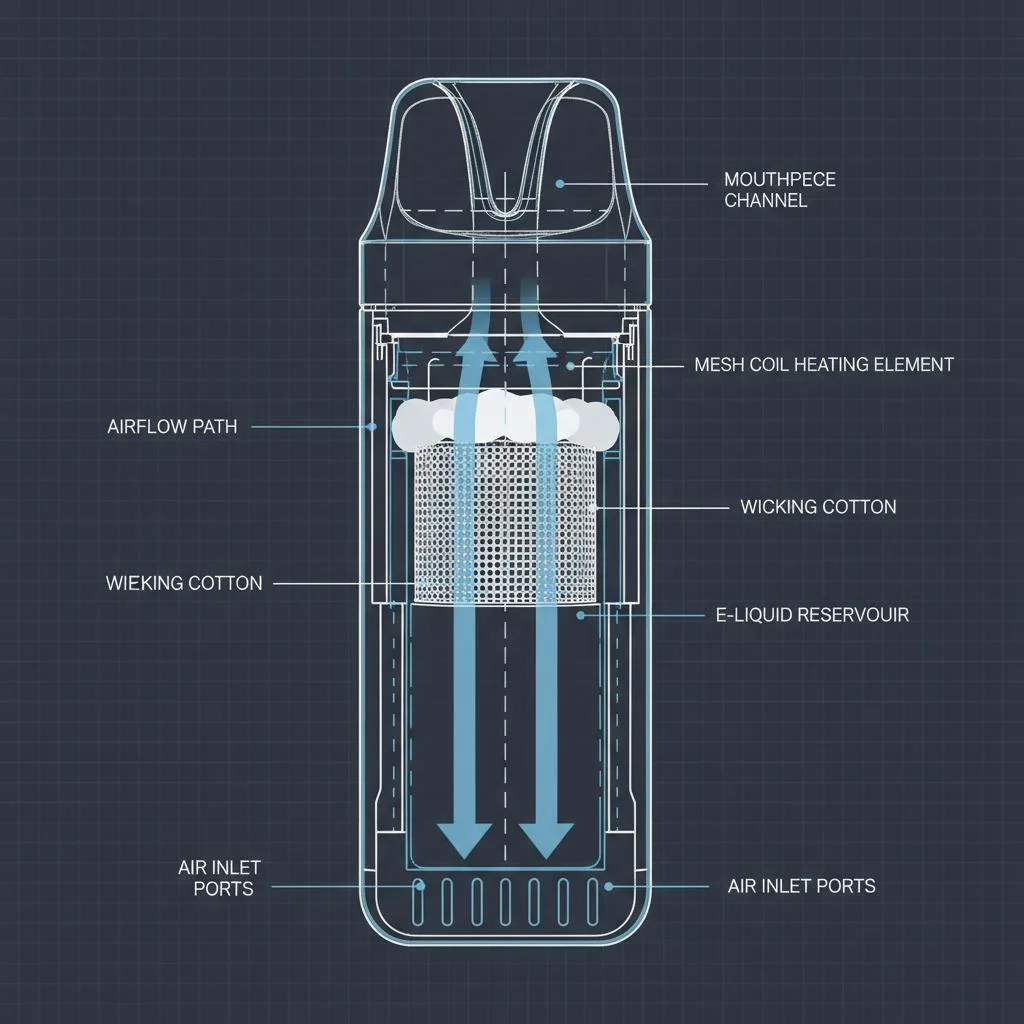
An electronic vaping device uses an electrical heating element to generate an aerosol from its liquid formulation.
The characteristics of that aerosol depend partly on the heating conditions and how liquid reaches the heating element.
If the device's operating conditions change, the resulting aerosol may also change.
Potential factors include:
Changes in electrical output.
Altered liquid delivery to the heating element.
Wear or deterioration of internal components.
Abnormal heating caused by a malfunction.
These factors may affect the perceived aroma or taste, but a flavour change alone cannot identify which component is responsible.
A burnt taste, unusual smell or sudden change in operation should be treated as a warning sign rather than an invitation to continue testing the device.
If these symptoms occur, stop using the device. Do not open or attempt to repair a sealed device.
3. Liquid Delivery Problems May Cause an Unusual Taste
The heating element needs an appropriate supply of liquid to operate as designed.
If liquid delivery becomes inadequate, the heating element may operate under abnormal conditions. This can produce an unpleasant burnt taste or smell.
Possible explanations for a change in liquid delivery include an internal fault or deterioration of the device.
However, it is not possible to confirm a liquid delivery problem simply by describing the flavour as weak, dry or different.
A gradual reduction in flavour and a sudden burnt taste are not necessarily the same problem.
If the device develops a persistent burnt taste, stop using it rather than continuing to inhale aerosols to determine whether the taste improves.
4. Storage Conditions Can Influence Product Stability
Environmental conditions may also affect electronic vaping products.
Excessive heat, direct sunlight and unsuitable storage conditions can affect some liquid ingredients, device components and battery performance.
Temperature changes may also influence how a liquid behaves inside a device.
However, a perceived change in flavour does not prove that the liquid has chemically degraded. Establishing the cause would require appropriate product testing.
For general storage safety, keep electronic devices away from excessive heat, direct sunlight and moisture, and follow the manufacturer's instructions.
Never use a device that shows signs of battery damage, leakage or other physical deterioration.
5. Why Can the Same ALIBARBAR Flavour Seem Different on Different Days?
Flavour perception depends on more than the device itself.
Several personal and environmental factors can affect how an aroma is perceived.
Changes in smell sensitivity: Nasal congestion and temporary changes in smell perception can make familiar aromas seem weaker or different.
Sensory adaptation: Repeated exposure may reduce the perceived intensity of a familiar smell.
Environmental conditions: Surrounding smells and other environmental factors can influence sensory perception.
Individual differences: People vary in their sensitivity to particular aromatic compounds and other sensory stimuli.
These explanations may help account for day-to-day differences, but they should not be used to dismiss persistent unusual tastes or signs of a device malfunction.
If a sudden or persistent change in your sense of taste or smell occurs across different foods and other substances, consider seeking medical advice.
6. How to Recognise a Potential ALIBARBAR Device Problem
Not every flavour change has the same significance. The accompanying symptoms are important.
ObservationWhat it may indicateAppropriate responseFlavour seems less noticeable without other symptomsSensory adaptation or another change in perceptionDo not assume a fault based on taste aloneSudden burnt taste or smellPossible abnormal heating or liquid delivery problemStop using the deviceLeakagePossible seal or internal component problemStop using the device and avoid contact with leaked liquidUnusual or excessive heatPossible device or battery malfunctionStop using it and keep it away from combustible materialsSwelling, hissing or smokePotential battery failureDo not use, charge or handle unnecessarily; move away and contact emergency services if there is immediate dangerThis table describes possible warning signs, not a definitive diagnosis. A specific fault cannot be confirmed without appropriate inspection or testing.
7. What Should You Do If Your ALIBARBAR Flavour Changes?
If an ALIBARBAR device develops an unusual taste, the safest approach is to focus on the symptoms rather than repeatedly testing it.
Stop using the device if the taste is burnt, chemical or otherwise unusual. Do not continue inhaling to see whether the sensation disappears.
Check for visible damage or leakage without dismantling the device. Avoid contact with any leaked liquid.
Look for other warning signs. Excessive heat, swelling, unusual sounds or smoke may indicate a more serious problem.
Follow the manufacturer's safety guidance. Do not attempt to open, refill or repair a sealed device unless the manufacturer explicitly provides an appropriate procedure.
Seek appropriate assistance if necessary. Contact the manufacturer or relevant product safety service if a fault is suspected.
A change in flavour is not enough to determine the remaining liquid level, battery condition or overall safety of the device.
8. Does a Weaker Flavour Mean the ALIBARBAR 9000 Is Empty?
Not necessarily.
A flavour may seem weaker because of sensory adaptation or changes in smell perception. Device condition and liquid delivery may also affect the aerosol's characteristics.
Likewise, a displayed battery level, where available, does not necessarily provide a direct measurement of the remaining liquid.
The device's exact design and documentation determine what its indicators represent.
Do not rely on taste alone to estimate the remaining liquid or the number of inhalations left. Advertised puff counts are also estimates rather than guaranteed results under every operating condition.
Frequently Asked Questions
Why does my ALIBARBAR flavour become weaker over time?
Sensory adaptation may make a familiar aroma seem less noticeable. Changes in smell perception or device condition may also contribute. Flavour intensity alone cannot establish the cause.
Why does my ALIBARBAR suddenly taste burnt?
A burnt taste may indicate abnormal heating or inadequate liquid delivery. Stop using the device and do not attempt to fix the problem by continuing to use it.
Can heat affect ALIBARBAR flavour?
Excessive heat can affect some product components and may influence product stability. However, a change in perceived flavour alone does not prove that heat has caused chemical degradation.
Does a weak flavour mean the battery is nearly empty?
No. Flavour intensity is not a reliable battery indicator. Battery status and liquid status are separate considerations.
Can a faulty heating element change the taste?
Abnormal heating conditions may change aerosol characteristics and produce an unusual taste. However, a particular component fault cannot be confirmed from taste alone.
Should I continue using my device if the flavour changes?
If the change involves a burnt taste, chemical smell, leakage, excessive heat or other abnormal behaviour, stop using the device. Do not dismantle or attempt to repair a sealed device.
Conclusion
An ALIBARBAR flavour that seems different over time does not automatically indicate a fault. Sensory adaptation, changes in smell perception, environmental conditions and device operating conditions may all contribute.
However, a sudden burnt taste, unusual smell, leakage or excessive heat should not be ignored.
The most important distinction is between a change in how a flavour is perceived and a potential change in how the device operates. Taste alone cannot establish the remaining liquid level, diagnose a component failure or confirm product safety.
For Australian readers, understanding these limitations and following appropriate product safety and disposal guidance are important parts of responsible product information.
Disclaimer: This article provides general educational information. It does not diagnose a specific device fault, recommend vaping or establish the safety of any product.